

Use the search feature to find your pet’s care sheet!
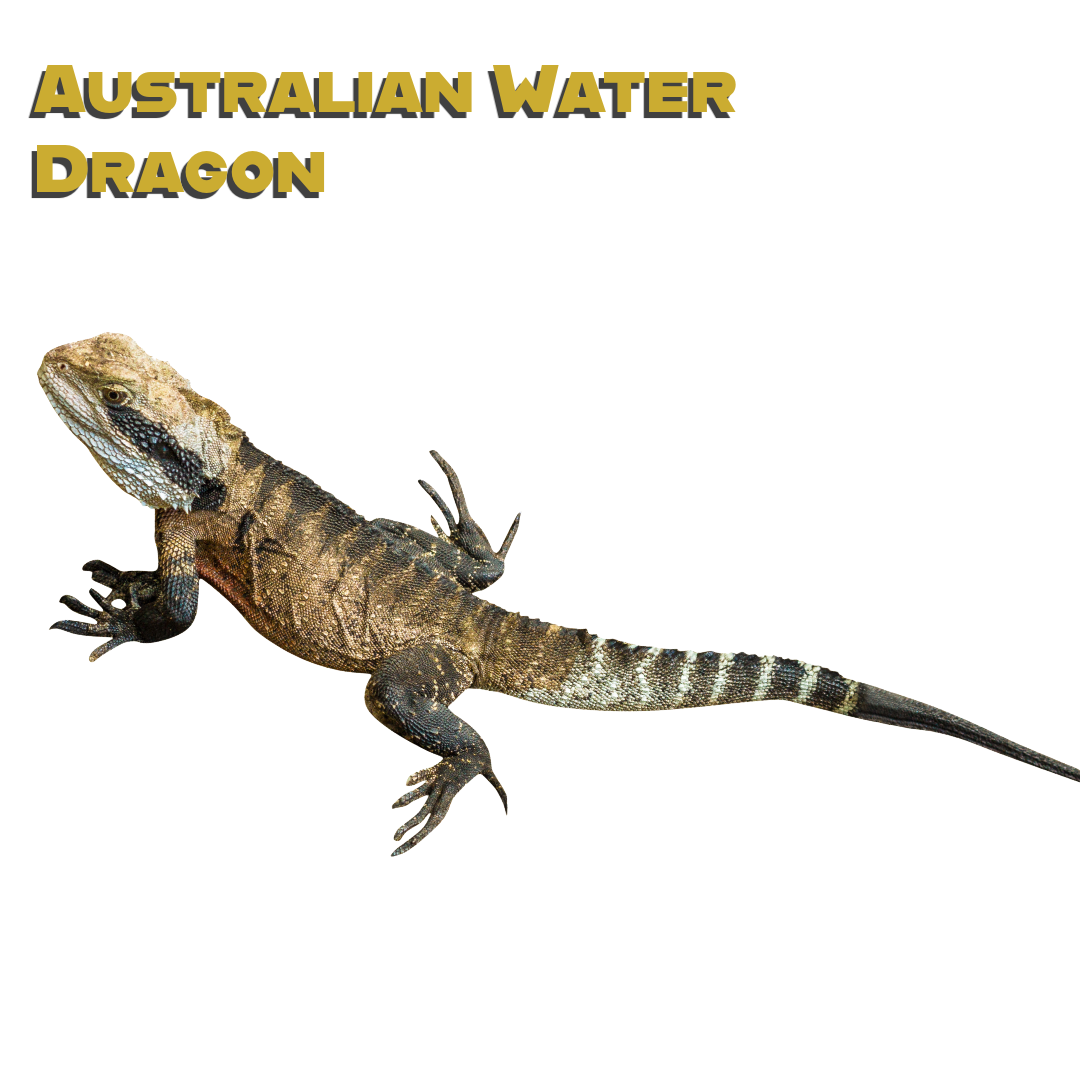
Caring for your Australian Water Dragon
The Australian Water Dragon is a large, semi-aquatic lizard native to eastern Australia, commonly found along rivers, streams, and forested areas. This species is known for its long tail, muscular build, and striking appearance, often featuring green to brown coloration with darker banding. Adult males can reach 2–3 feet in total length, with much of…
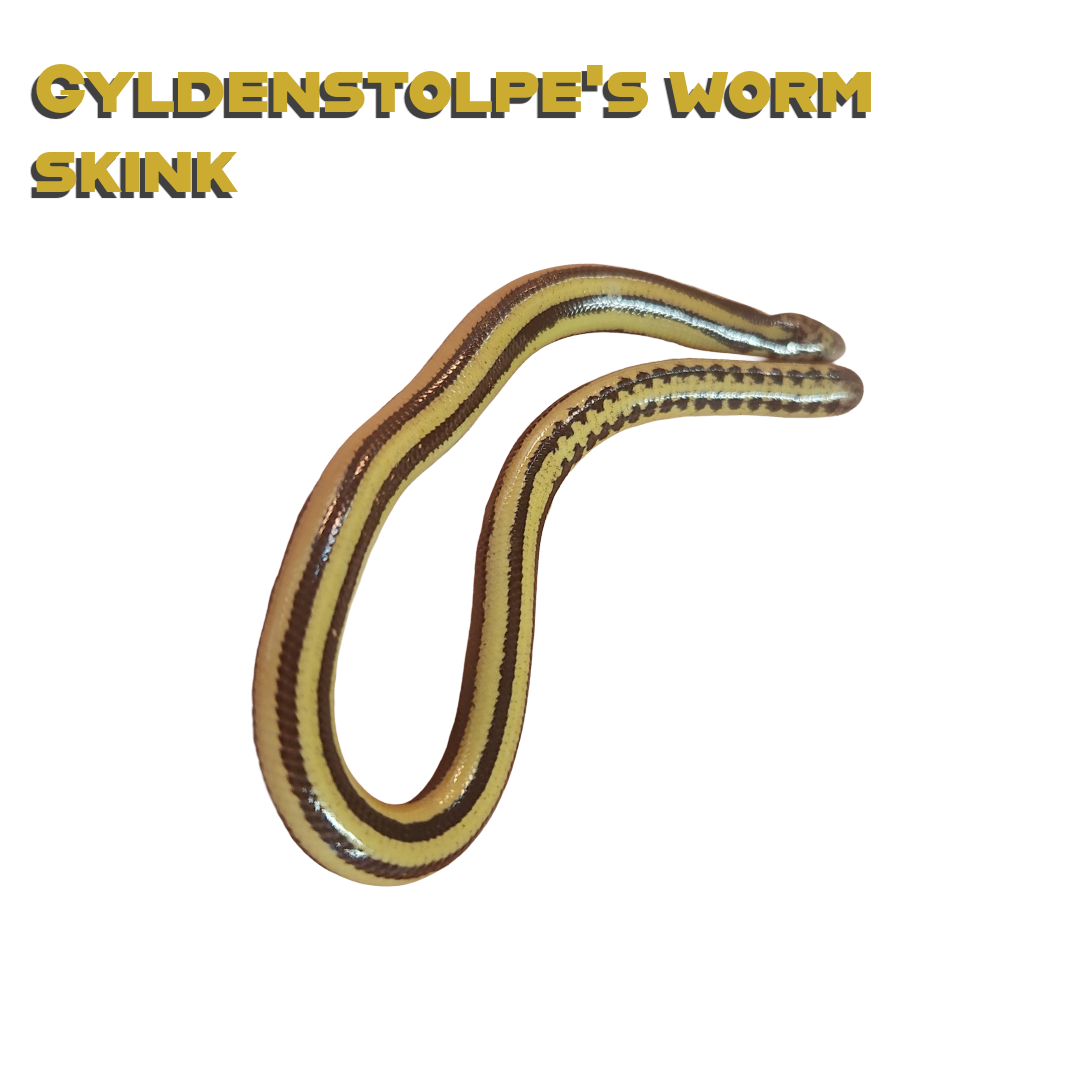
Caring for your Gyldenstolpe's worm skink
Gyldenstolpe’s Worm Skink is a small, fossorial lizard species native to Southeast Asia, particularly in regions of Thailand. This species has a smooth, elongated body with reduced limbs, giving it a worm- or snake-like appearance. Adults typically reach around 4–6 …
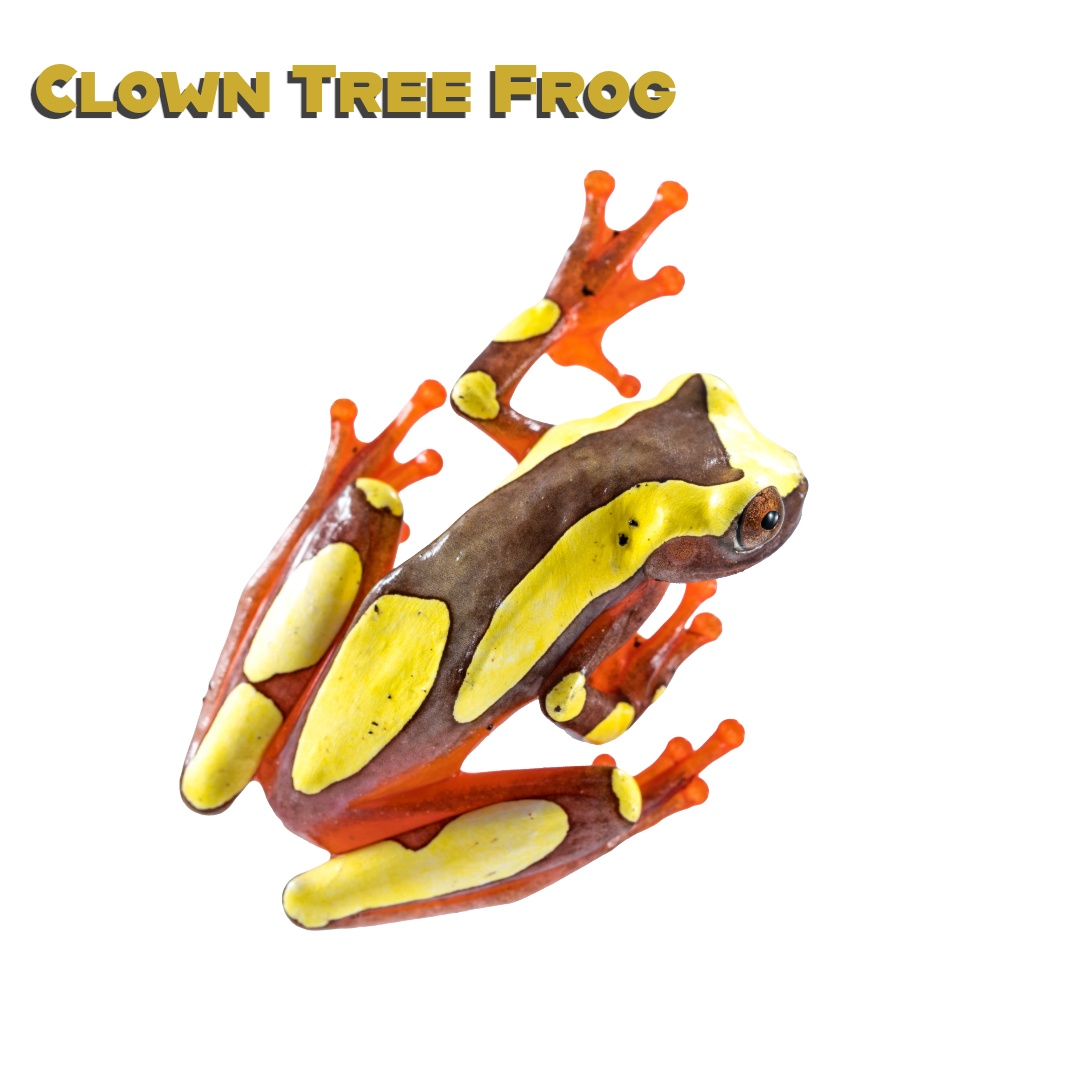
Caring for your Clown Tree Frog
The Clown Tree Frog is a small, brightly patterned arboreal frog native to tropical regions of South America, particularly in areas of Brazil and surrounding Amazon Basin countries. This species is known for its bold coloration, typically featuring a mix of cream, yellow, orange, and black…
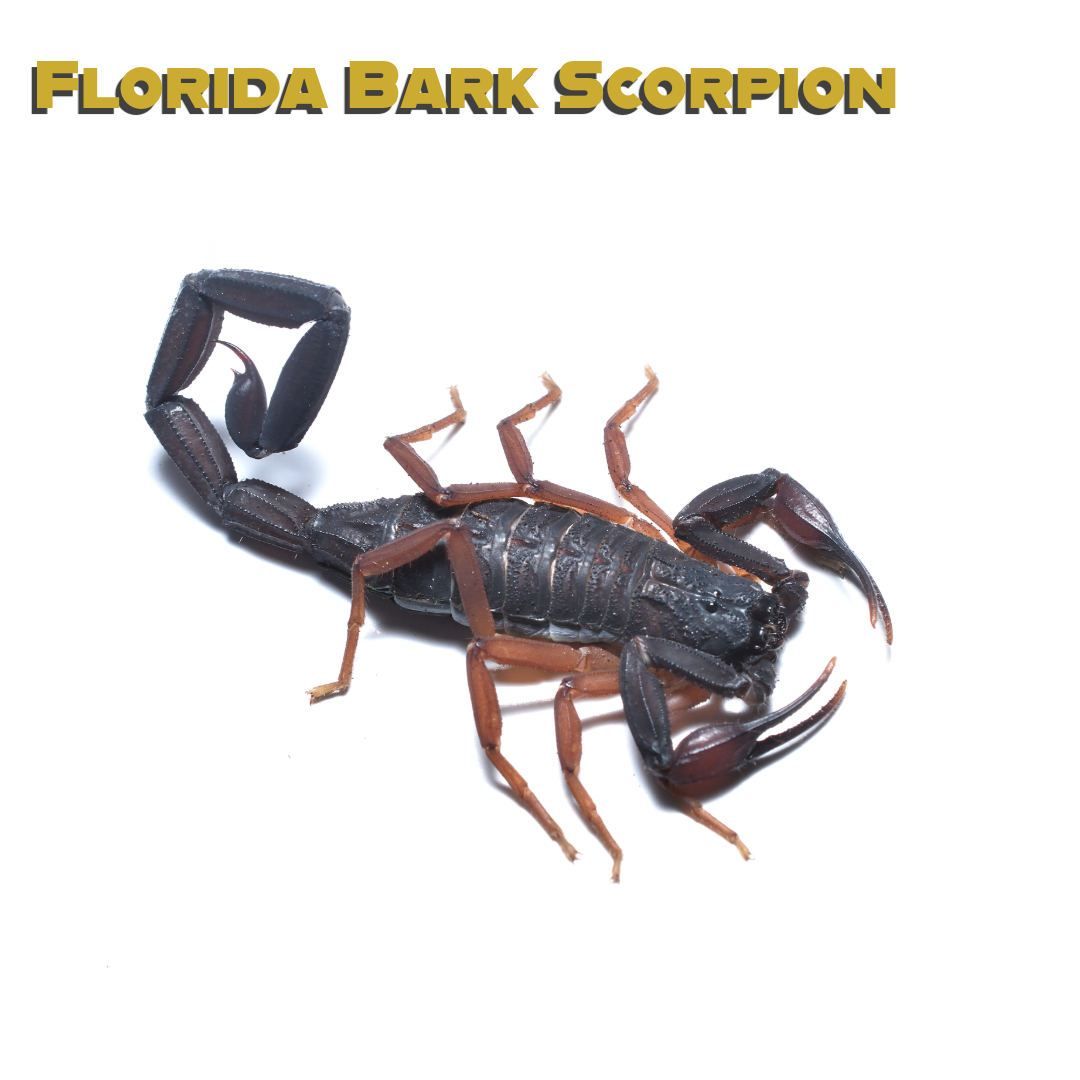
Caring for your Florida Bark Scorpion
The Florida Bark Scorpion is a slender, arboreal scorpion species native to the southeastern United States, Central America, and parts of the Caribbean, including regions…
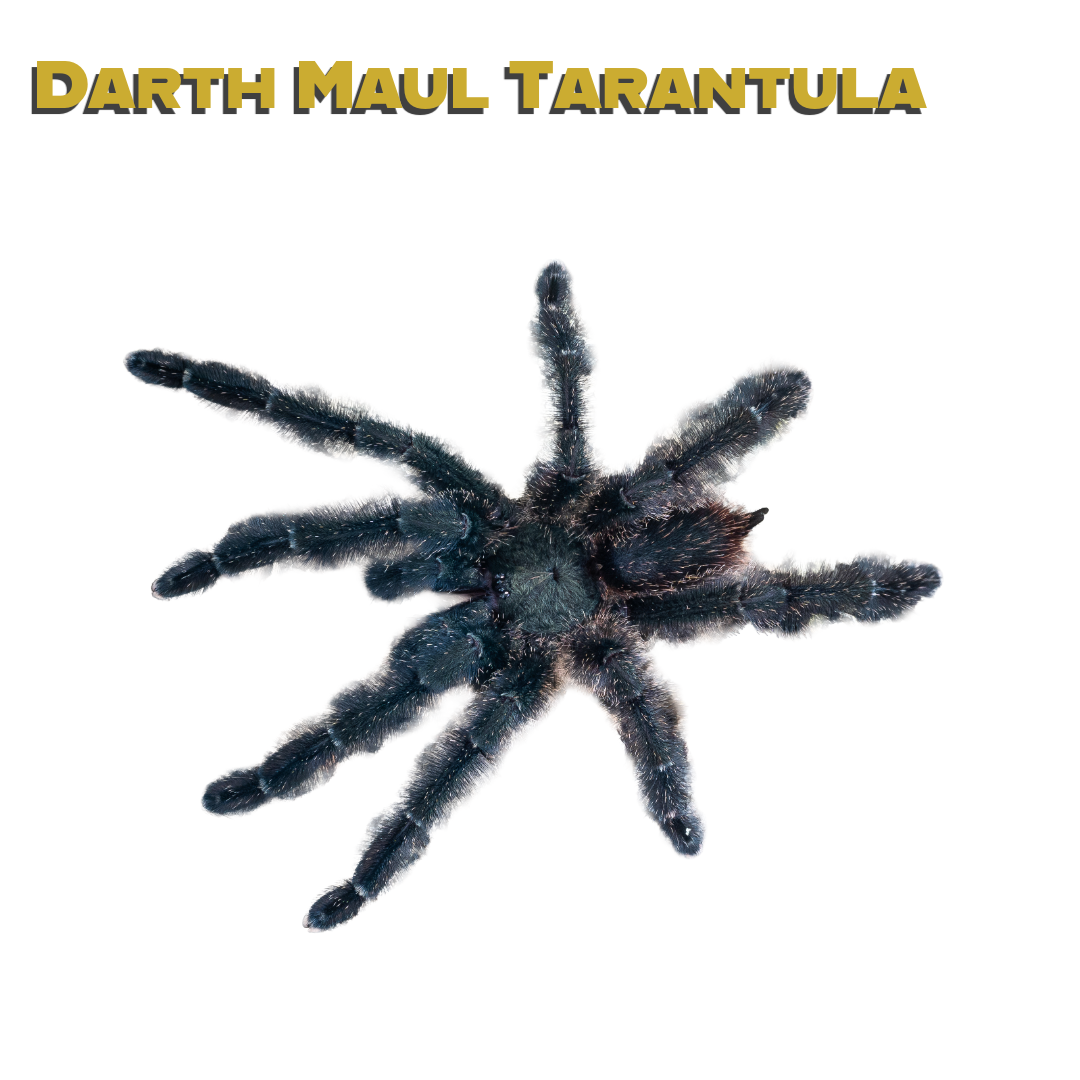
Caring for your Darth Maul Tarantula
The Darth Maul Tarantula is a rare and highly sought-after arboreal tarantula species native to Brazil, particularly regions of Brazil. This species is known for its striking black and white patterning that resembles the face markings of Darth Maul, along with bright orange accents on…
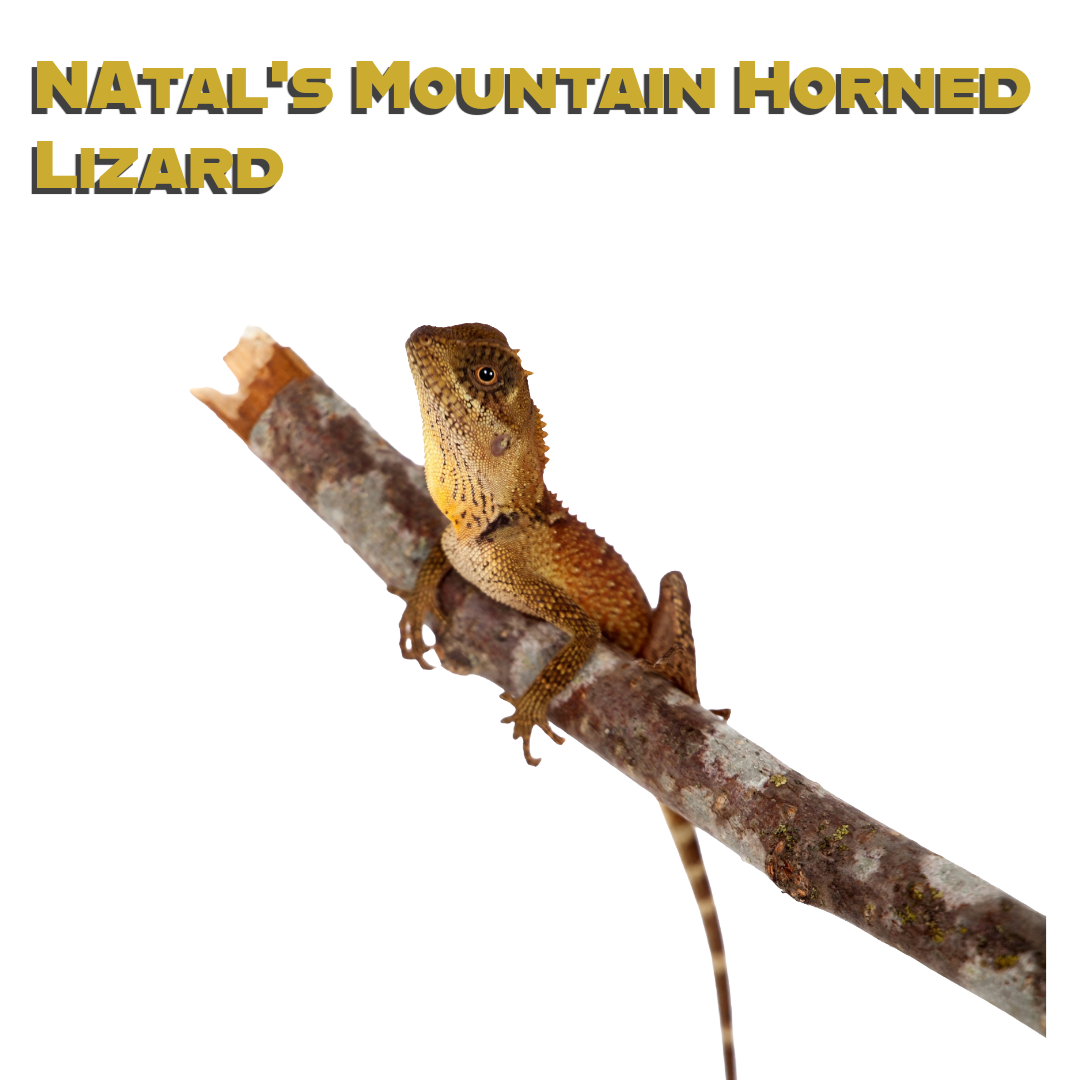
Caring for your Natal Horned Lizard
The Natal Mountain Horned Lizard is a unique and visually striking arboreal lizard native to the tropical forests of Southeast Asia, particularly regions of Vietnam. This species is known for its spiny, horn-like projections along the head and back, giving it a dragon-like…
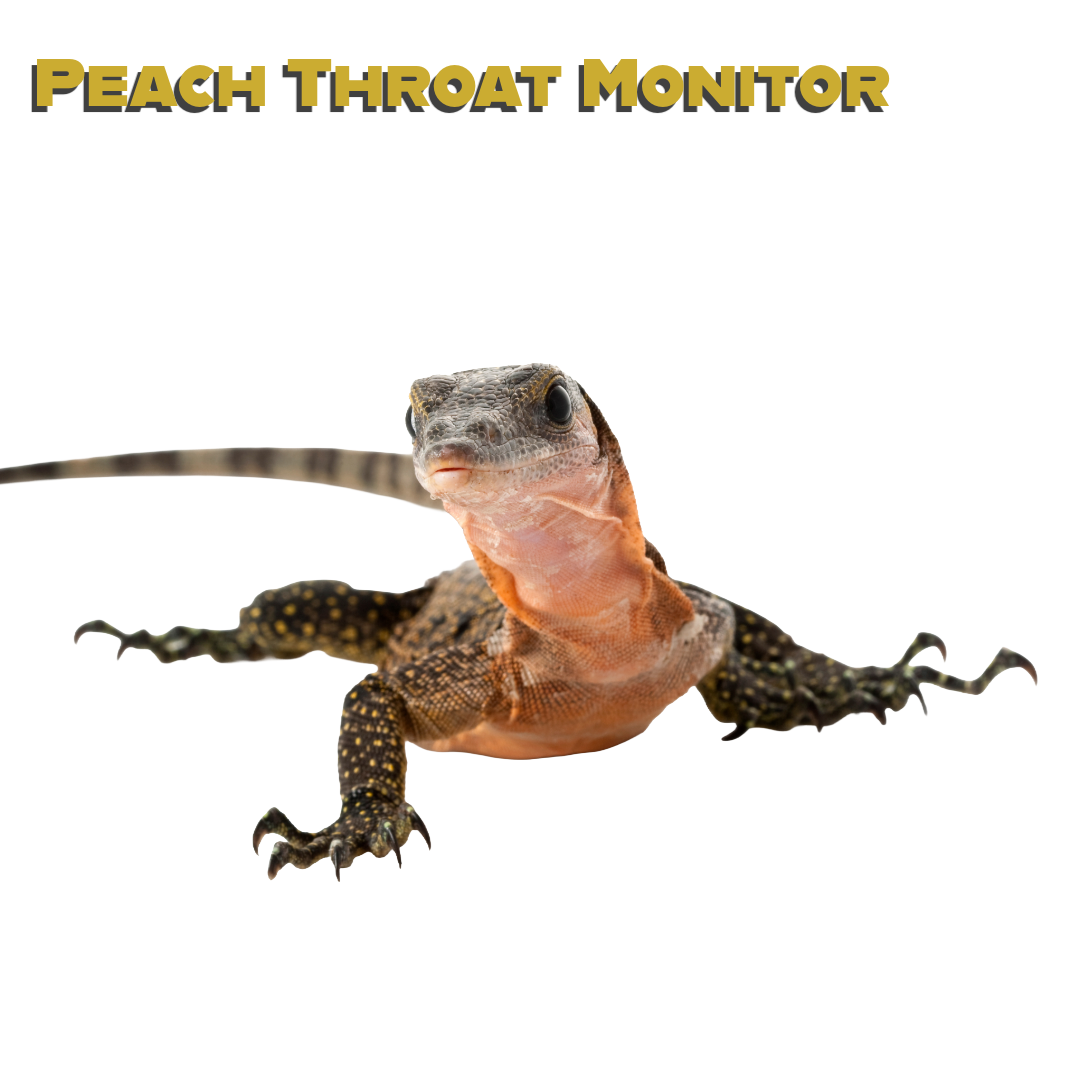
Caring for your Peach Throat Monitor
The Peach Throat Monitor is a striking arboreal monitor lizard native to tropical regions of Papua New Guinea and nearby islands. This species is named for the distinct…
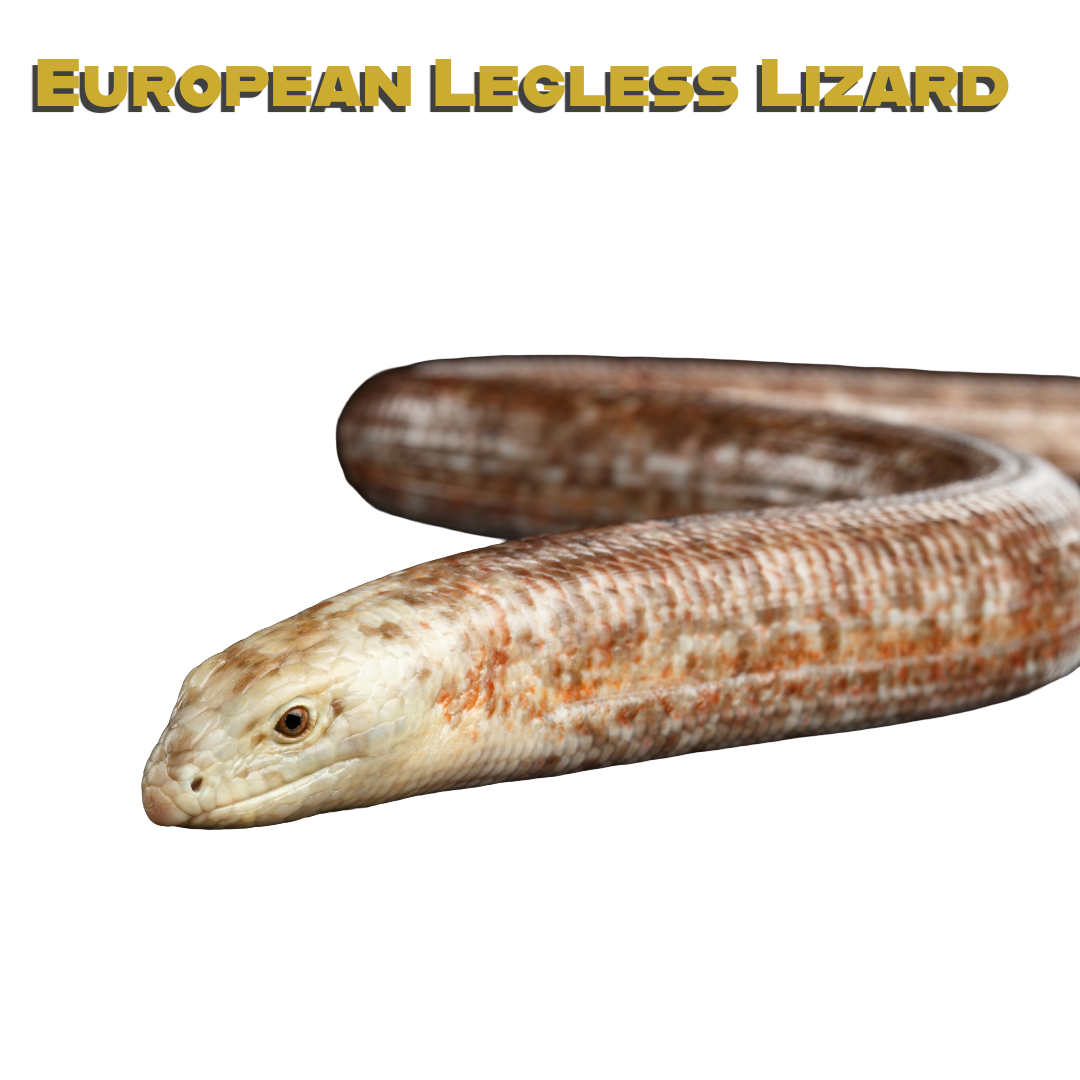
Caring for your European Legless Lizard
The European Legless Lizard, also known as the Glass Lizard, is a large, snake-like lizard native to southeastern Europe and parts of western Asia, including regions of Greece. Despite its snake-like appearance, it is a true lizard, possessing…
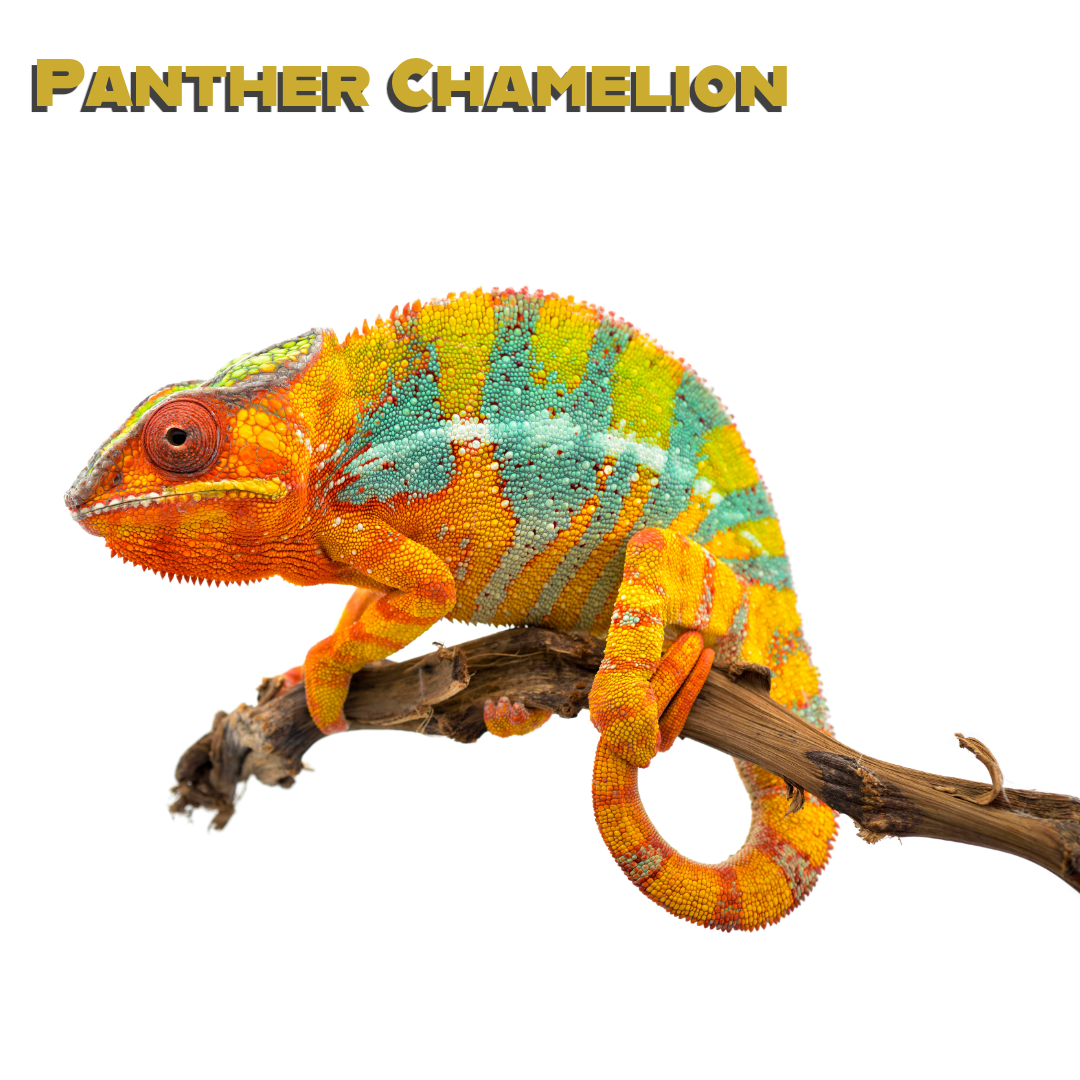
Caring for your Panther Chameleon
The Panther Chameleon is one of the most colorful and sought-after reptiles in the hobby, native to the tropical regions of Madagascar. This species is famous for its incredible range of colors, with different localities (Ambilobe, Nosy Be, Sambava, etc.) displaying unique patterns and…
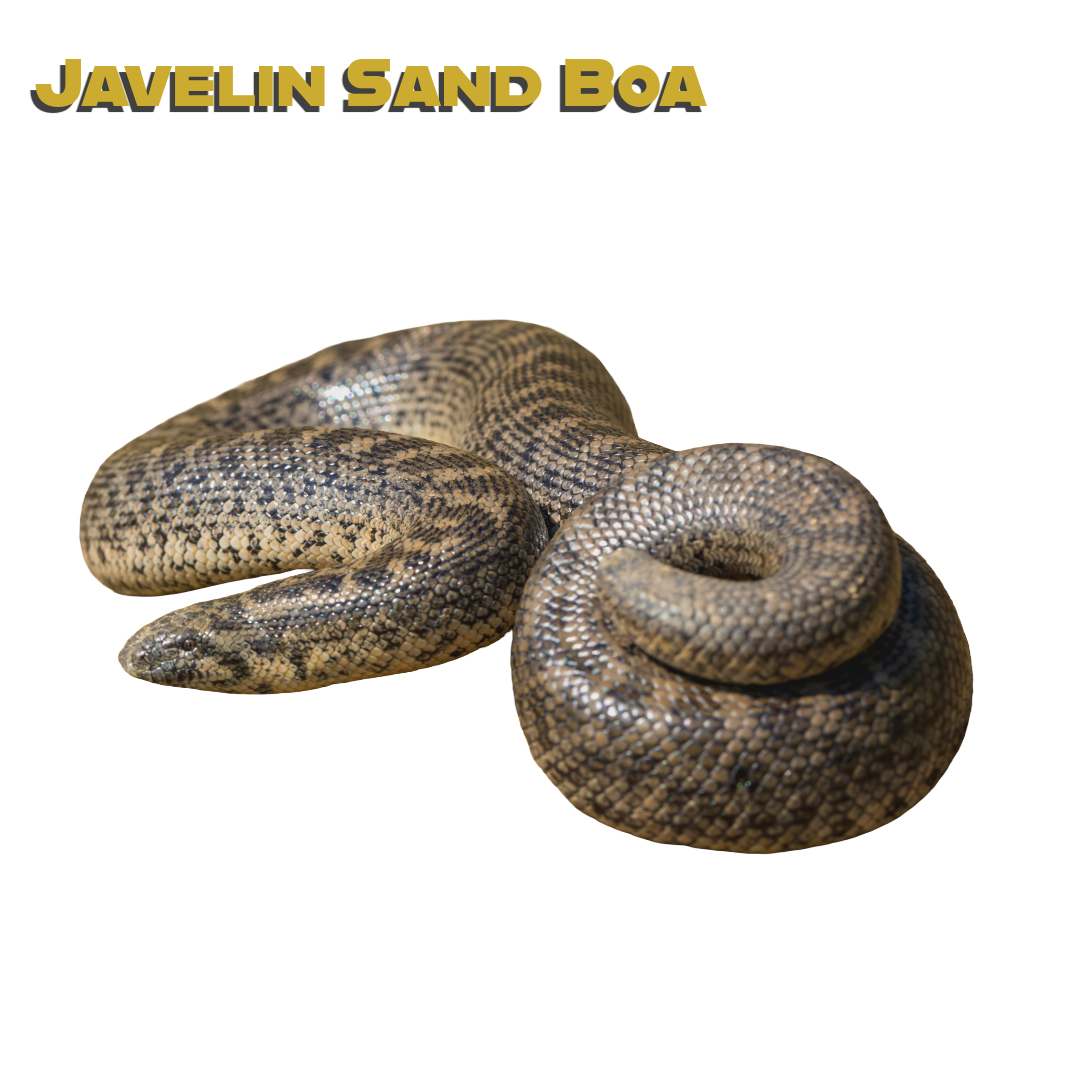
Caring for your Javelin Sand Boa
The Javelin Sand Boa, also known as the Lesser Sand Boa, is a small, burrowing snake native to arid regions of North Africa, the Middle East, and parts of southeastern Europe, including areas of Greece. This species is known for its compact body, smooth scales, and blunt head adapted for digging…
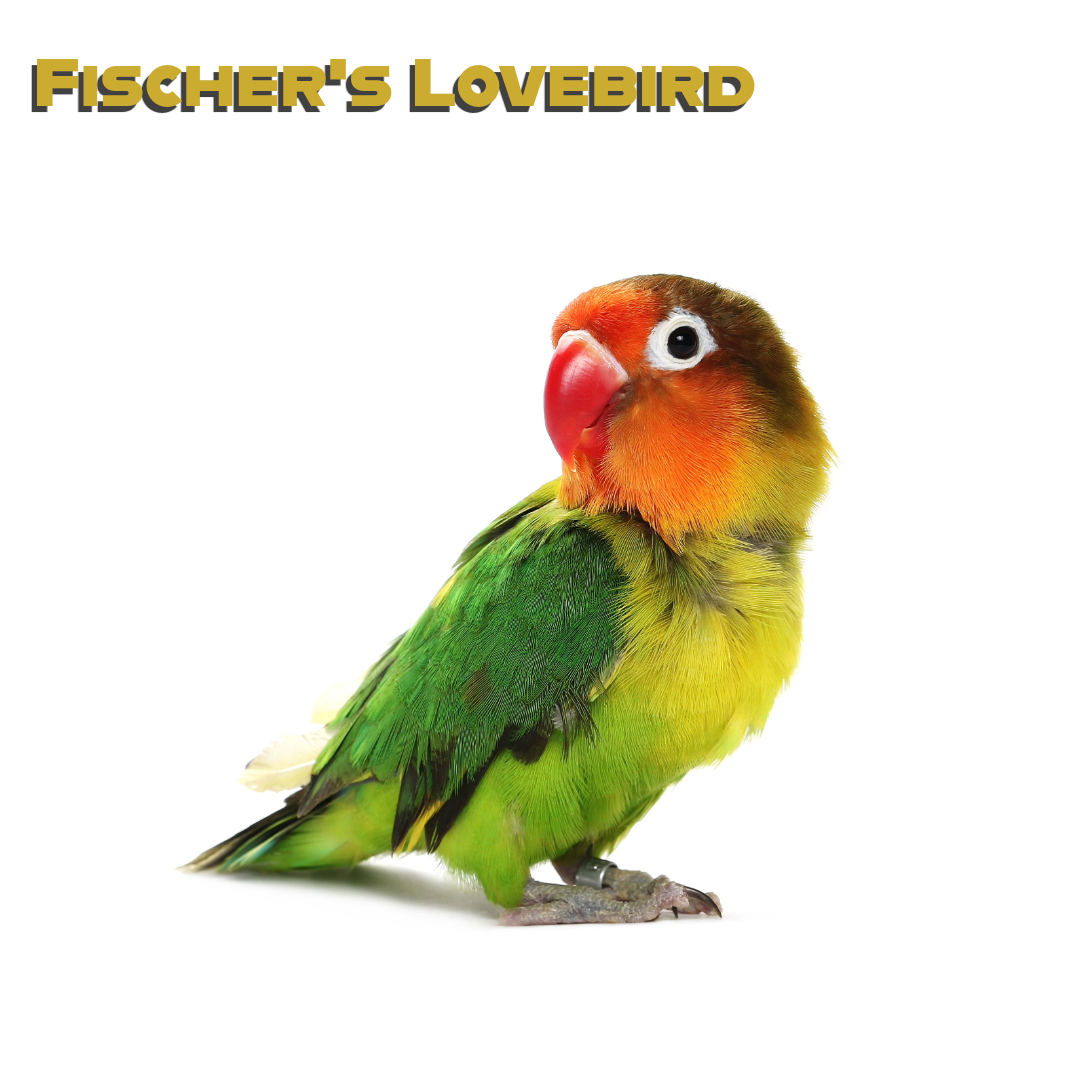
Caring for your Fischer’s Lovebird
Fischer’s Lovebirds are small, vibrant parrots native to East Africa, particularly regions of Tanzania. Known for their bright green bodies, orange faces, and striking white eye rings, these birds typically reach about 5–6 inches in length.
They are highly social, energetic, and intelligent birds that thrive on interaction and enrichment. In the wild, they live in flocks and form strong pair bonds, which is where the name “lovebird” comes from…
Caring for your Orange Blackfoot Dart Frog
The Orange Blackfoot Dart Frog is a striking color form of Phyllobates terribilis, native to the humid rainforests of Colombia. This species is one of the largest and most iconic dart frogs, with adults typically reaching 1.5–2 inches in length. The orange morph features a vibrant orange body contrasted by darker feet, giving rise…
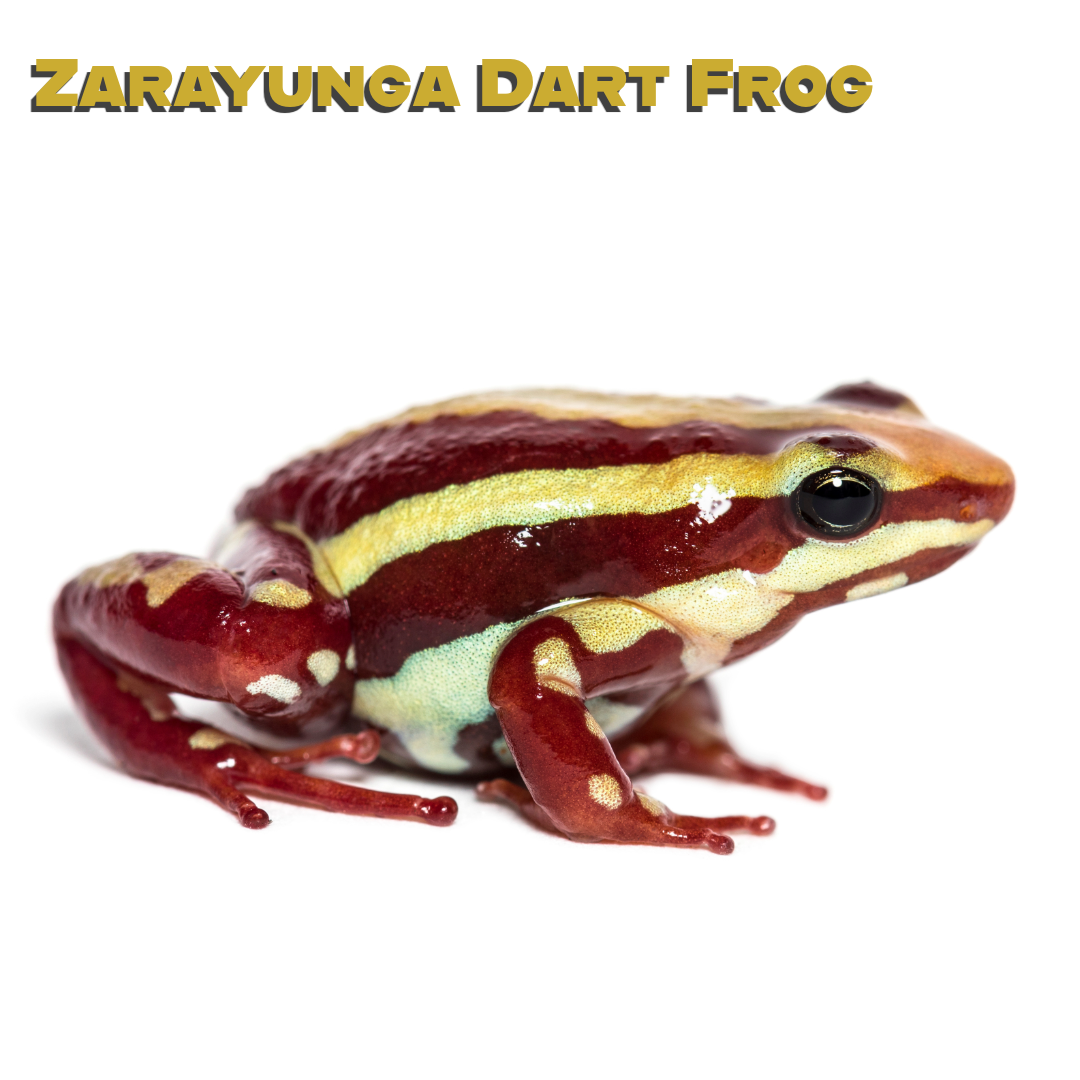
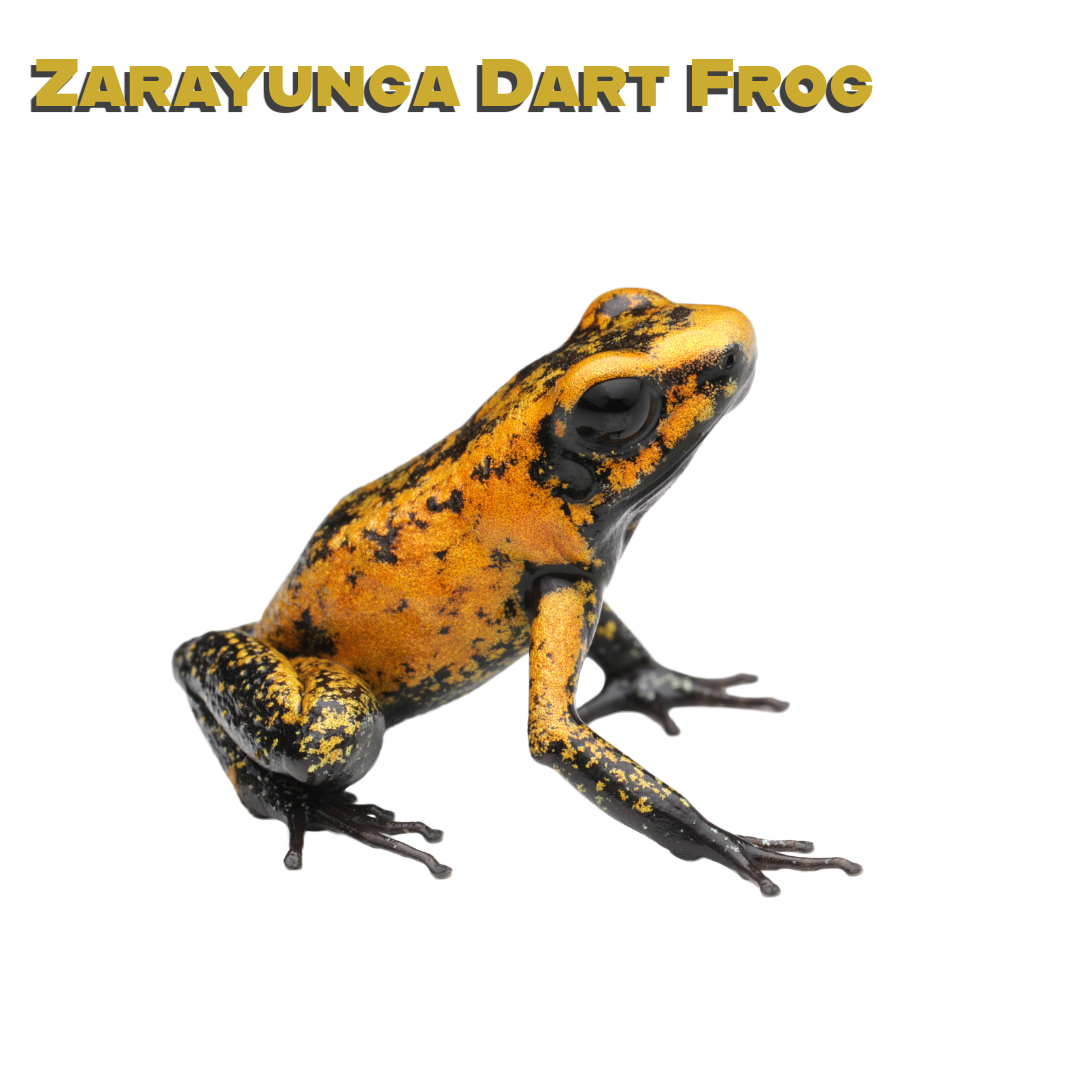
Caring for your Zarayunga Dart Frog
The Zorayunga Dart Frog is a small, hardy dart frog species native to western Ecuador, particularly around the Zorayunga region of Ecuador. These frogs are typically reddish-orange to brown with lighter striping along the body, giving them a subtle but…
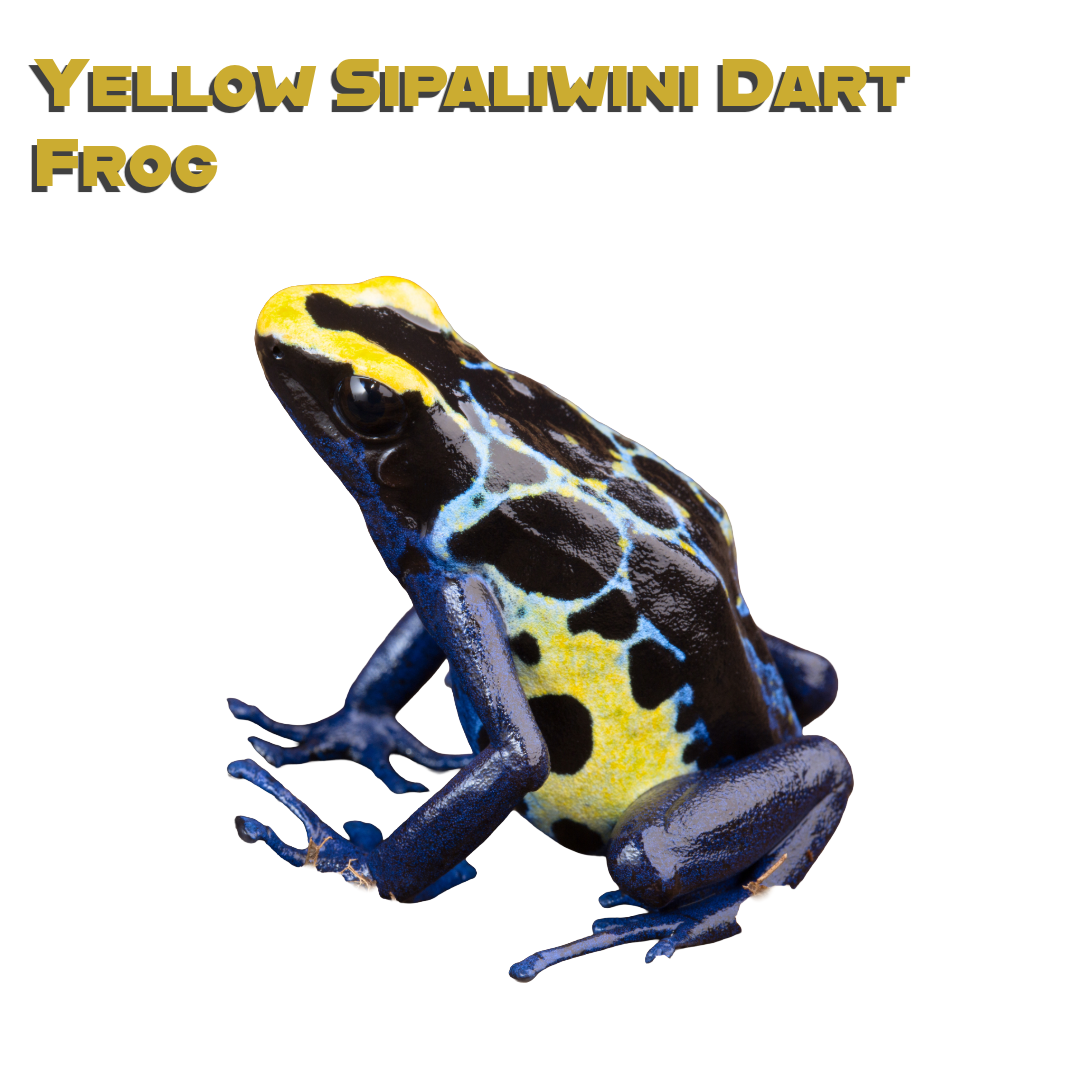
Caring for your Yellow Sipaliwini Dart Frog
The Yellow Sipaliwini Dart Frog is a striking locality of Dendrobates tinctorius native to the Sipaliwini region of Suriname. This morph is known for its bright yellow body with contrasting black patterning, making it one of the more eye-catching dart frogs in the…
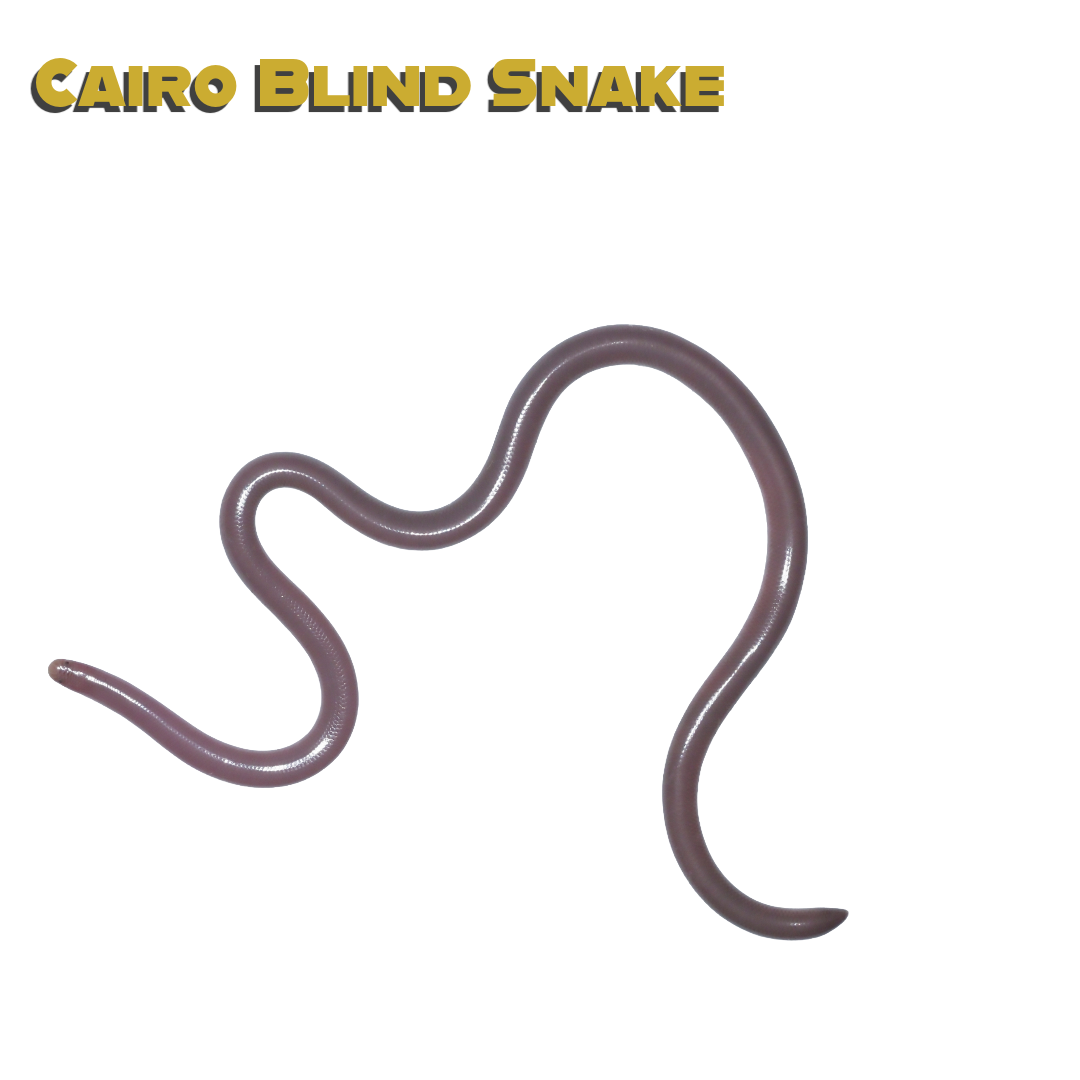
Caring for your Cairo Blind Snake
The Cairo Blind Snake is a small, burrowing snake species native to arid and semi-arid regions of North Africa and the Middle East, including areas of Egypt. Similar in appearance to the Brahminy Blind Snake, it has a slender, worm-like body with smooth scales and reduced eyes, typically…
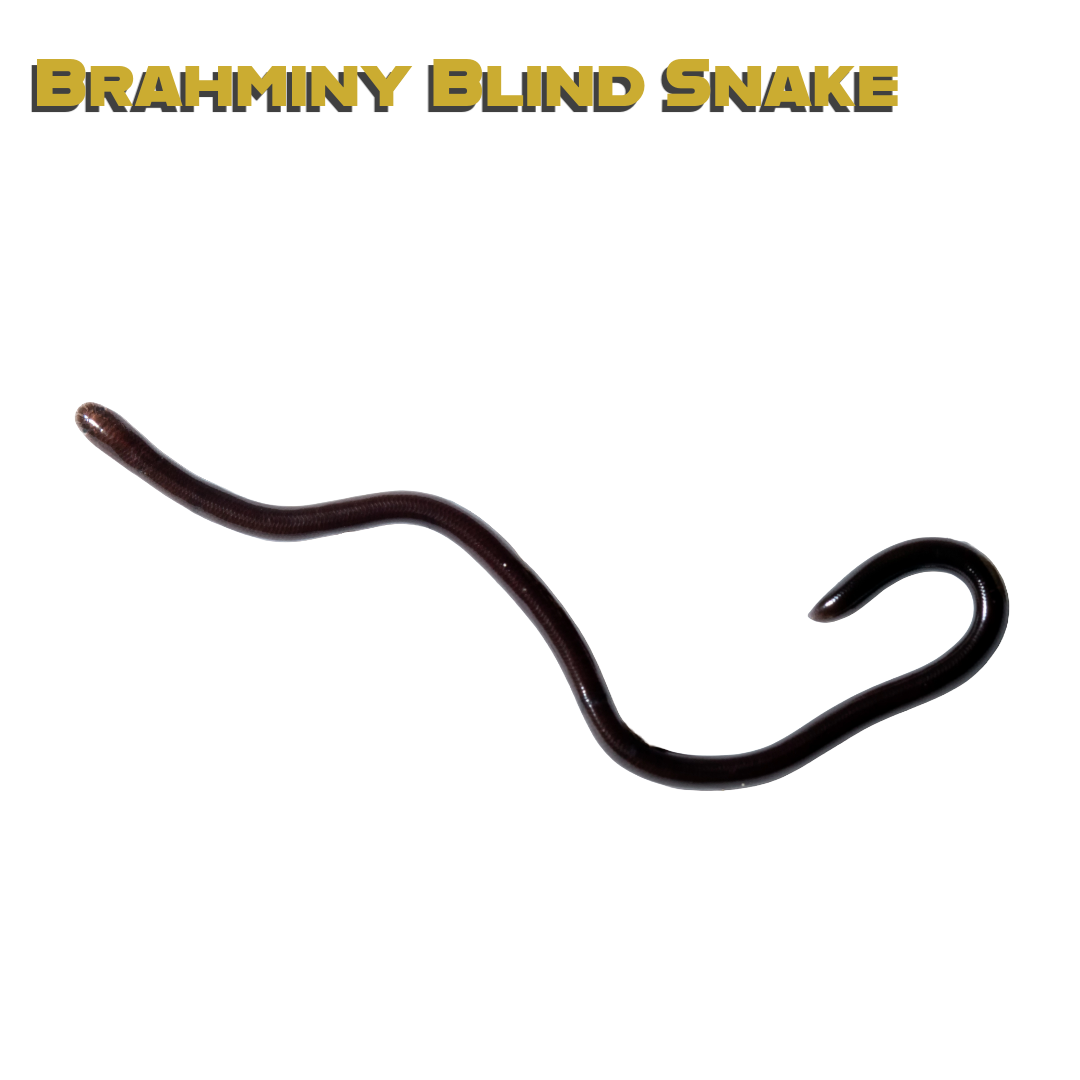
Caring for your Brahminy Blind Snake
The Brahminy Blind Snake, also known as the Flowerpot Snake, is a tiny, burrowing snake species found in tropical and subtropical regions worldwide, including parts of India. Often mistaken for an earthworm, this species typically reaches only 4–8 inches in length and has a smooth, glossy, dark body…

Caring for your Hermit Crab
Hermit Crabs are small, social crustaceans found in tropical coastal regions around the world, including areas of Ecuador and the Caribbean. Unlike true crabs, they do not produce their own shells and must find and change into new shells as they grow. Adults typically range from 1–4 inches…
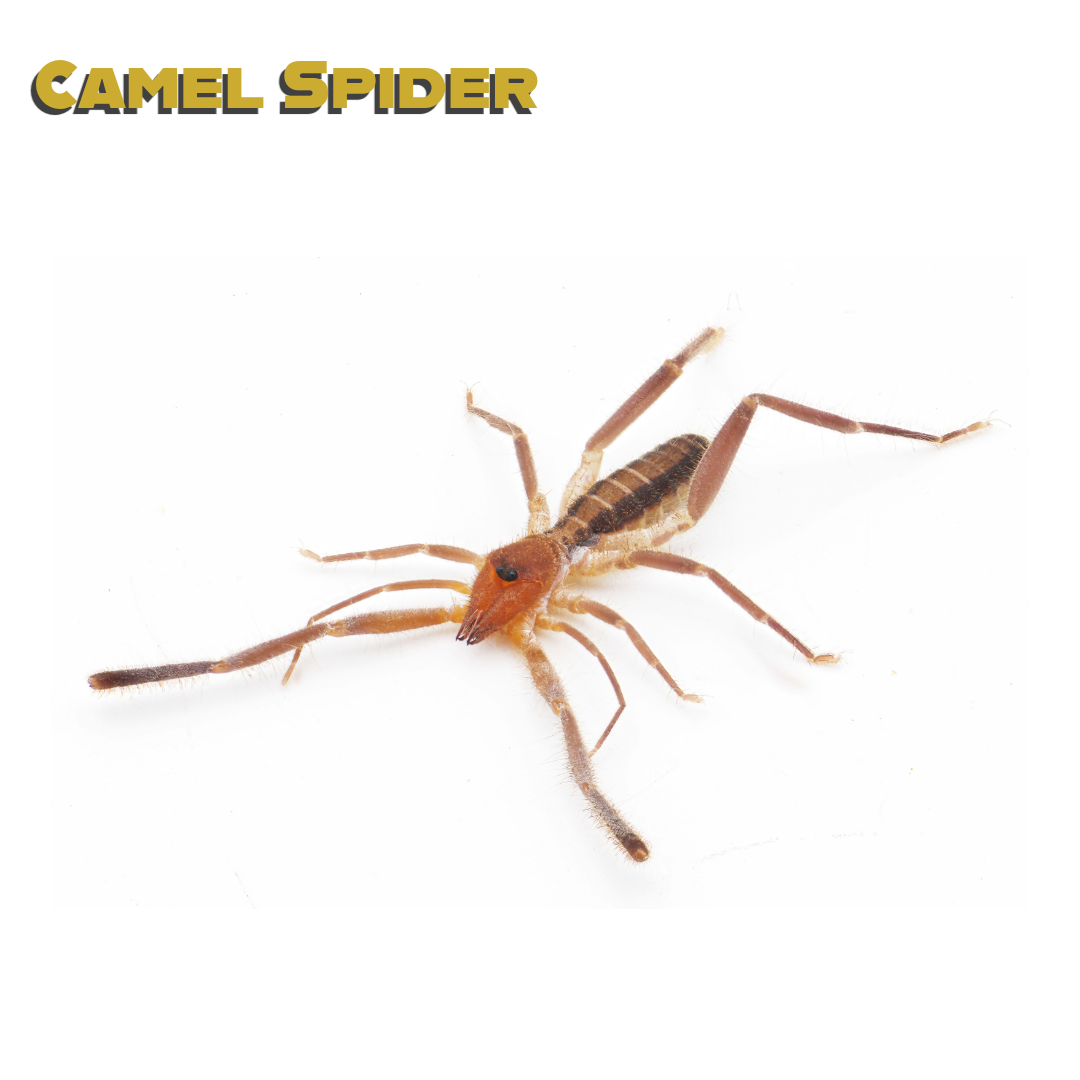
Caring for your Camel Spider
Camel Spiders, also known as Wind Scorpions or Sun Spiders, are fast-moving arachnids found in arid regions around the world, including the Middle East, Africa, and parts of United States. Despite their name, they are neither true spiders nor scorpions but belong to their own unique order, Solifugae. Adults typically range from 2–6 inches in leg span depending…
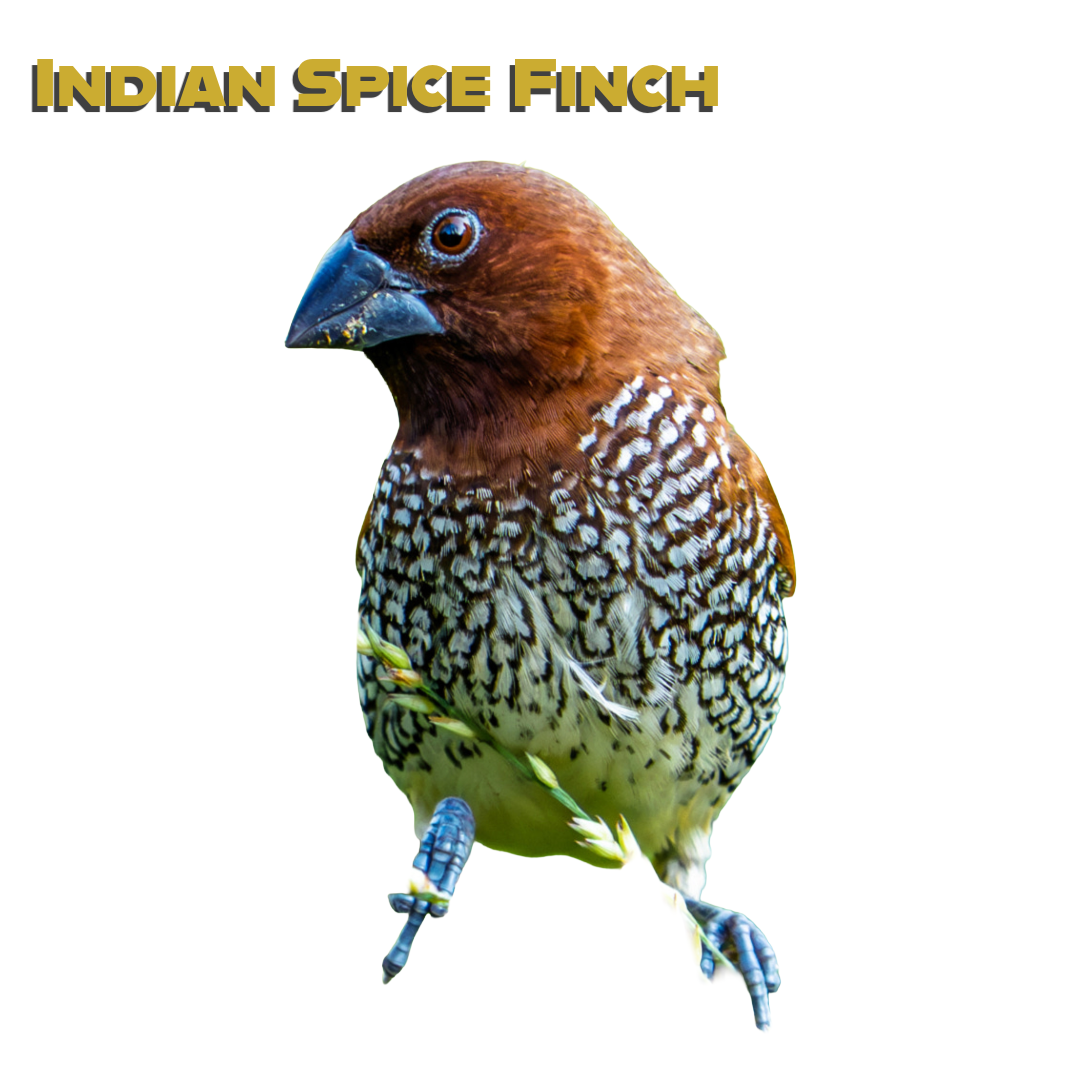
Caring for your Indian Spice Finch
The Indian Spice Finch, also known as the Nutmeg Mannikin, is a small, social finch native to South and Southeast Asia, including regions of India. These birds are easily recognized by their warm brown coloration, scaled chest pattern, and compact size, typically reaching about 4 inches…

Caring for your Fancy Rat
The Fancy Rat is a domesticated form of the brown rat, originally native to parts of Asia but now found worldwide, including across North America. Selectively bred for temperament and appearance, fancy rats come in a wide variety…